

Update on Tybee Island's Short-Term Rental Ban
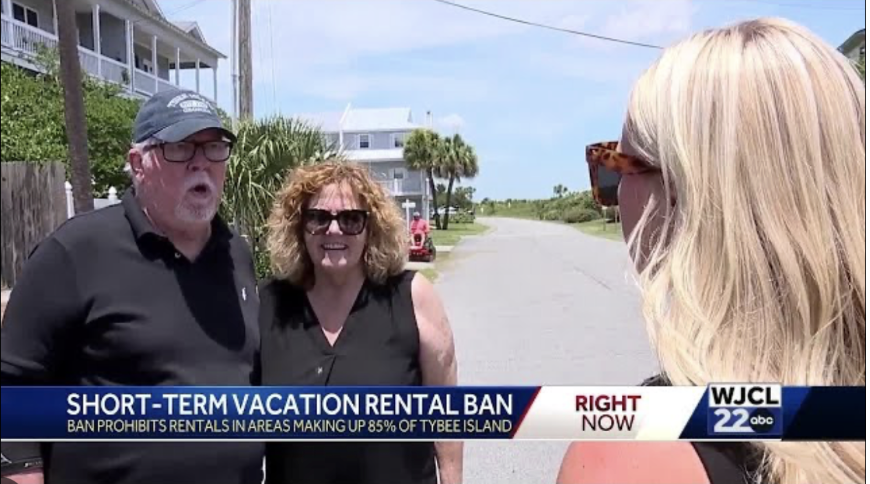
Tybee Island, Ga. - Despite clear divisions among homeowners and renters, the city of Tybee Island is moving forward with its controversial ban on short-term rentals (STRs). The Tybee City Council voted 4-1 to pass the ordinance Thursday night during its second reading.
The new ordinance prohibits STRs in residential areas, which make up 85% of the island. This decision followed a heated public comment session where 30 people voiced their opinions: 11 supported the ordinance, while 19 opposed it.
Support for the Ban
Supporters of the ban applauded the council's decision, arguing that short-term renters prioritize profits over community well-being.
"This is a small island. And we are supposed to be here together, helping one another, not getting to the point where we can't socialize," one Tybee resident said.
Opposition to the Ban
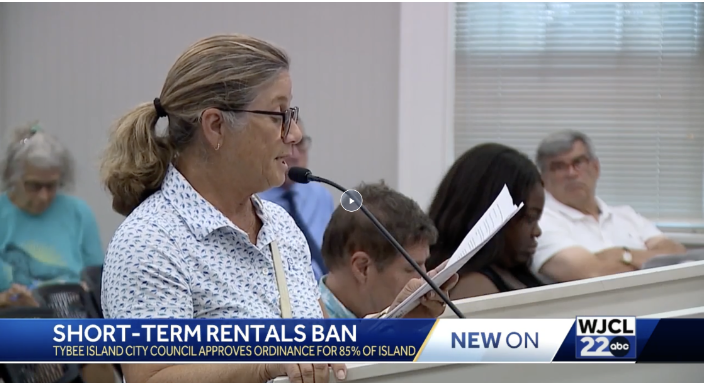
Opponents criticized the council's decision as detrimental to future generations and local businesses. One resident condemned the council's actions as "disgusting," accusing them of stripping away rights and opportunities.
"How dare you take away our rights, our opportunities, and our future because you had these opportunities. How dare you dismiss our concerns, ignore them, and push forward with this proposal. Your actions are not only misguided but disgraceful," another resident stated.
Economic Concerns
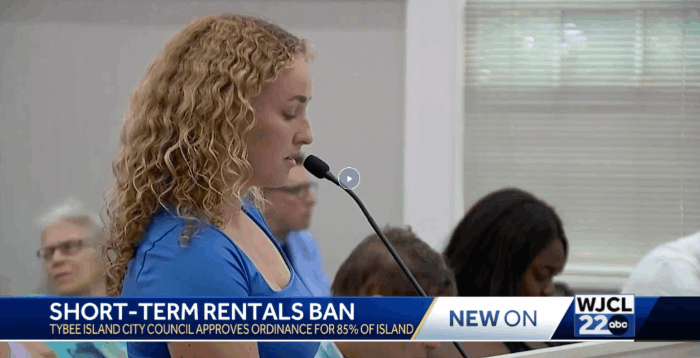
A major point of contention is the lack of a comprehensive economic study by the city before passing the ban. Jenny Rutherford, a local real estate agent, presented a 2023 economic study conducted by Georgia Southern University during the public comments. The study highlighted the significant impact of tourism on Tybee Island:
1,900 Jobs Created from Tourism
$84 Million in Labor Income
140 Year-Round Businesses Potentially Affected
Many emphasized that tourism supports a variety of sectors, including accommodations, retail, food service, attractions, public service, and other tourism-related jobs.
Historical and Economic Context
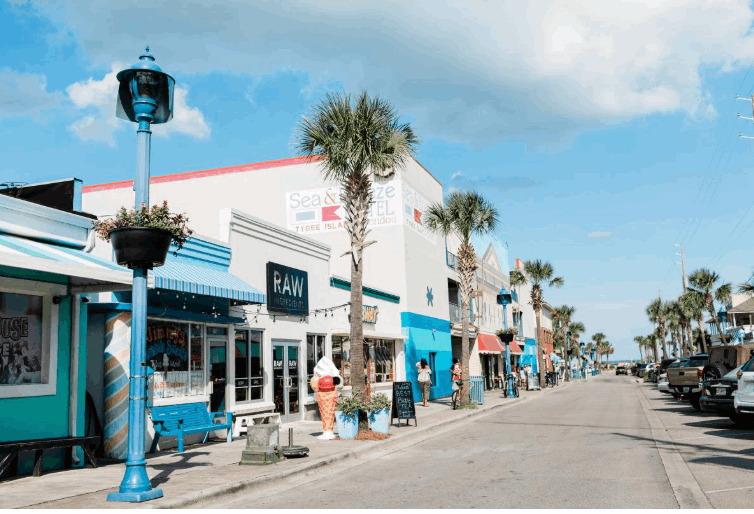
Tybee Island has a long history of tourism, dating back to 1887. Today, the island typically welcomes around 2 million visitors each year, contributing substantially to the local economy. The annual influx of tourists generates significant revenue and sustains many businesses on the island.
Next Steps
The city has not yet announced when the ban will go into effect, leaving many residents and business owners in a state of uncertainty about the future.
As the community continues to grapple with the implications of this new ordinance, the debate over the balance between preserving community character and supporting economic vitality remains heated.
FROM OUR BLOG
Chatham County Property Taxes: What’s Different on Your 2026 Bill
CHATHAM COUNTY PROPERTY TAX BILLS ARE HERE! If you own property in Chatham County, your second property tax bill for 2026 should be arriving in the mail. The deadline to pay is November 16th. But before you look at the amount due and immediately pay it, TAKE A MINUTE and actually look over your bill
STVR Moratorium in Unincorporated Chatham County
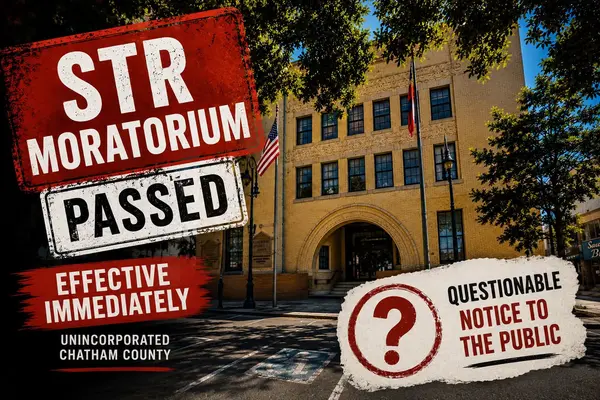
STVR MORATORIUM PASSED! This is for unincorporated Chatham County homes only. It officially passed this morning, Friday, July 10th, 2026, very quickly. Every commissioner voted in favor except Noha. It is effective IMMEDIATELY. Just the mere possibility of a moratorium sparked a rush of STVR app
Tybee STR Ordinance Update: Tonight’s Public Hearing Has Been Postponed to August 13, 2026
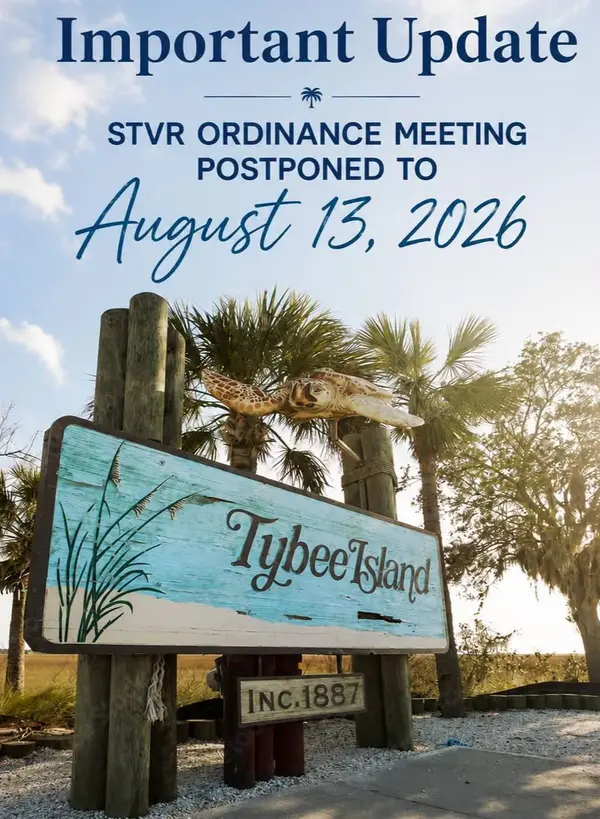
Many of you planned to attend the Tybee Island City Council meeting on 7/9 for the public hearing on the proposed Short Term Rental (STR) ordinance. Unfortunately, “the required legal advertisement was not published for the full required time” before the meeting, so the public hearing could not le